Great Shopper Marketing Is Integrated by Instinct
Walk into any supermarket this autumn and you’ll feel it before you even see it: a connection between brand and shopper. It’s on the pack, in the display, in the moment someone reaches for it – a moment where the shopper doesn’t think, they just instinctively reach. That instinct isn’t random. It’s been built by everything the brand has already said elsewhere, integrated long before the shopper ever gets near the shelf. When that connection is executed well, it’s rarely an accident. It’s there because the shopper marketing agency behind it worked integrated by instinct – understanding how that moment linked to everything else the brand does and stands for, even if shopper marketing was the only brief they’d actually been given.
That’s the part most of the industry still gets wrong. Shopper marketing gets left until last, briefed once the brand platform, the PR launch and the social strategy are already locked, then asked to translate an idea it had no hand in shaping. The output looks fine on a slide. It rarely feels like it was made by people who understood the whole picture.
The strongest UK food and drink campaigns don’t work because shopper marketing was clever in isolation. They work because whoever handled shopper, whether that was one agency team running the whole campaign or a specialist brought in purely for the shopper marketing work, understood exactly how that moment fitted into the bigger story. That understanding is what separates sharp shopper work from generic point-of-sale.
Why leaving shopper until last keeps campaigns flat
There’s nothing wrong with briefing an agency purely for shopper. We get that many brands want exactly that, and great work can still come from it. The problem isn’t who’s in the room. It’s when shopper marketing thinking only enters the conversation after everything else has already been decided, so whoever is doing that work is translating someone else’s idea rather than shaping it.
When that happens, even a talented shopper marketing team is working with one hand tied. They can execute what they’re given well, but they can’t ask the questions that make an idea sharper at shelf, because the idea arrived finished. What comes out is competent but potentially could be working so much harder.
Shopper marketing shouldn’t be just a translation exercise applied to a finished idea. It needs the early involvement of people who have a genuine feel for the shopper and the aisle in order to shape it.
Why this matters more heading into 2027
UK shoppers are holding two things at once right now. They’re still watching every price rise carefully, and they’re still drawn to a brand that gives them added value. Meeting both at once is a harder brief than either one alone. A promotion is easy for a competitor to copy within a fortnight. A moment that genuinely earns someone’s attention at shelf is not.
Retail media sharpens targeting. It doesn’t replace the idea
Retail media gives brands sharper targeting and measurement than shopper marketing has ever had, and that growth in retail media is well deserved. What it can’t do is create the underlying idea that makes a shopper stop and choose one brand over another. That idea still has to be designed by people who understand the full context, or the targeting is just delivering a thinner message more efficiently.
A specialist brief, handled with the full picture in mind
We’re just as glad to be brought in purely for a shopper-specific project as we are to run the whole integrated campaign. The difference is what we bring to that specialist brief. Because our team lives across foodservice, trade, consumer, digital, PR and social as well as shopper marketing, we understand how comms along the path to purchase need to work within a brand’s wider story, even when shopper marketing is the only thing we’ve been asked to do. That’s what stops a specialist brief coming back generic.
Specialist when you need it, integrated by instinct
This is the structural difference at jellybean. Foodservice, retail trade, consumer, shopper marketing, creative, digital, PR and social sit under one roof. Bring us in to run the whole thing and it’s one idea working everywhere. Bring us in purely for a shopper marketing brief and you still get a team that understands exactly how that brief integrates and connects to the rest of your brand, because that’s simply how we think.
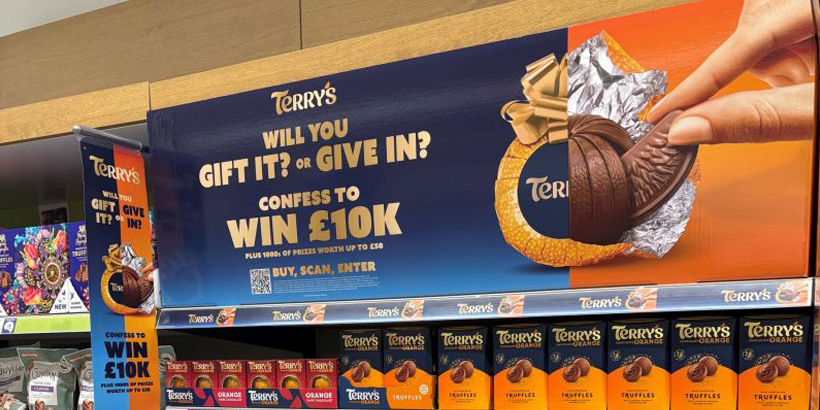
It’s why we’re proud to deliver integrated shopper marketing campaigns for brands including Mutti, Rio Mare, Terry’s Chocolate, Tims, Hilltop Honey, Bakeaway, and SuperMalt and why we’re having this same conversation with a growing number of food, drink and FMCG brands heading into 2027. The best results, in our experience, come when shopper isn’t something that’s left until the end and needs to be retrofitted.
If your last campaign treated shopper marketing as an afterthought or a bolt-on, it’s worth talking to us about what the alternative looks like. Check out our latest shopper marketing campaign case studies here:

- Great Shopper Marketing Is Integrated by Instinct - 15th September 2026
- The Insight-Action Gap: Why Food & Drink Brands Are Losing Ground - 13th February 2026
- We Own It: Jellybean’s New Positioning - 9th February 2026