
Global Roots, Local Soul: A Food Tour Through Dalston
Kingsland Road. One Thursday afternoon in spring. The first blue-skied London day that automatically makes everything taste better.
We joined the Lumina Intelligence, Food Strategy Forum, food study tour in Dalston, to do what we love most: eat with purpose, think with curiosity and report back. The theme was Global Roots and Local Expressions, exploring venues built on culinary tradition but expressed in distinctly contemporary ways. Here’s what stood out.
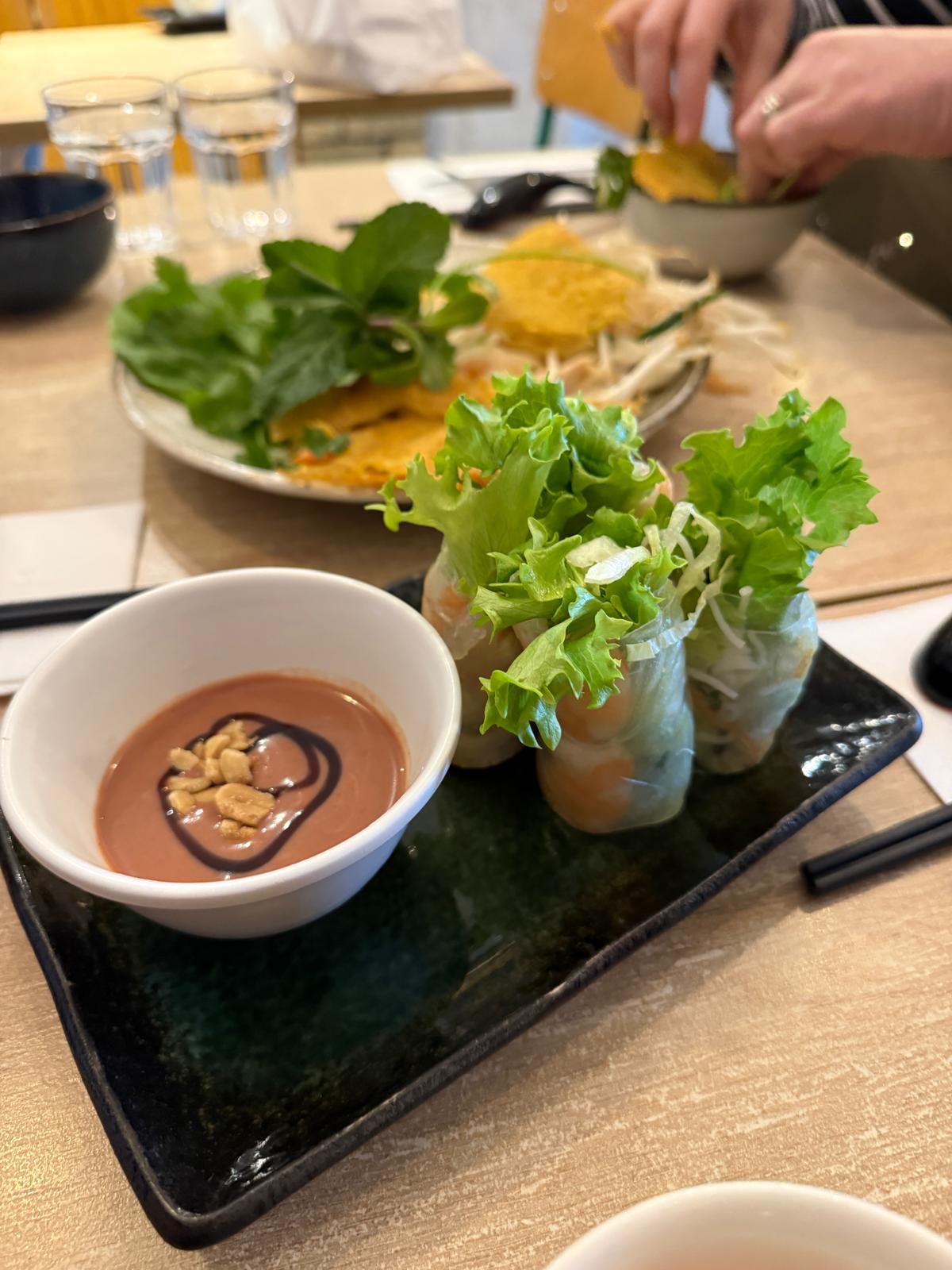
BúnBúnBún – @bunldn
One of the only places in London to serve bun cha Ha Noi in its proper form: rice vermicelli, grilled lemongrass pork, crispy shallots and punchy nuoc cham. The communal seating, the pace, the no-frills atmosphere. All of it feels genuinely neighbourhood. Not performatively so.
Trend read: Operators who commit fully to a specific regional cuisine are building more loyal followings. Authenticity earns repeat visits in a way that ‘inspired by’ rarely does.
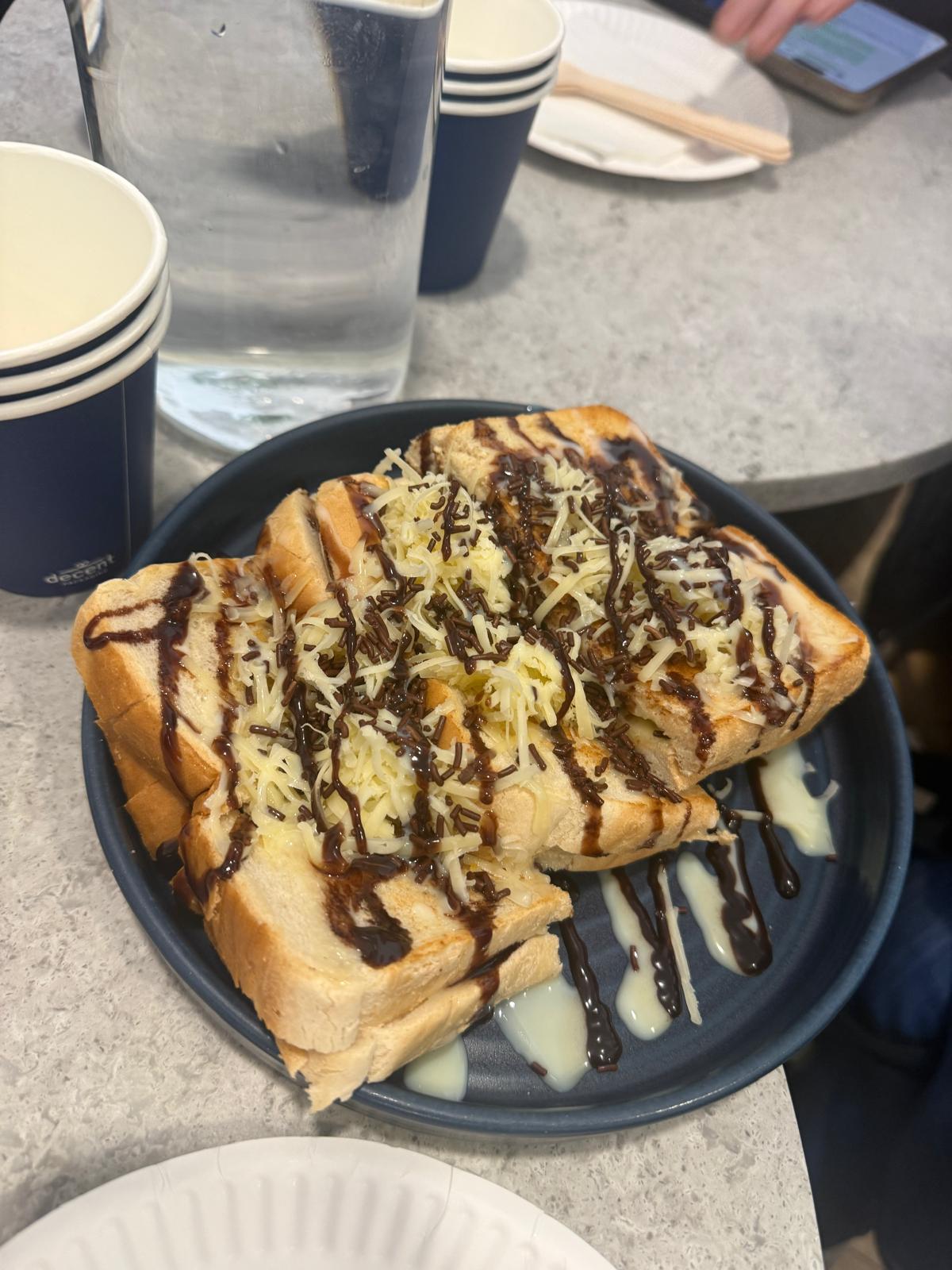
Ngopi – @ngopiuk
Indonesia’s coffee culture brought to Dalston Lane, with 100% Indonesian single-origin beans roasted in-house. We tried one of their single-origin coffees alongside the Roti Bakar: a grilled sandwich that wrong-foots you immediately. Where you expect cheese, you get chocolate and condensed milk. It shouldn’t work as well as it does. We also tried the Tempeh Mendoan – deep-fried battered tempeh, served with peanut sauce – the kind of thing that’s humble on paper and quietly brilliant on the plate. The whole business is built around a specific cultural identity. That’s what makes it compelling.
Trend read: As the coffee shop market matures, cultural specificity is becoming a stronger differentiator than single-origin sourcing alone.
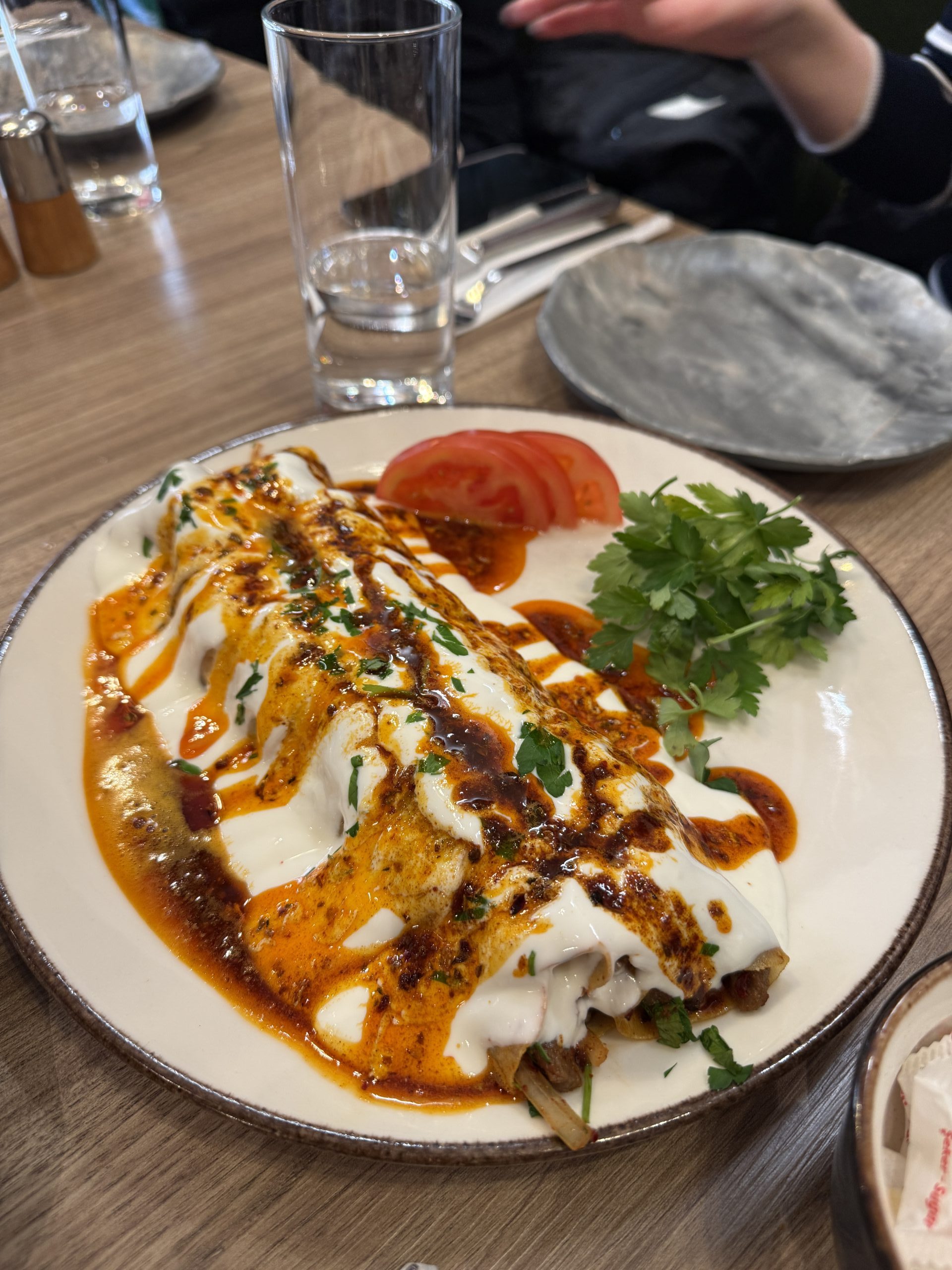
Mersin Tantuni – @mersintantunidalston
Not just Turkish food, but the street food of Mersin specifically: tantuni, thinly sliced meat stir-fried with tomatoes, onion, parsley and chilli, wrapped in lavash. We tried both meat and mushroom versions, finished with yoghurt and delicious butter sauce. Finding it done well is rarer than you’d think.
Trend read: Not ‘Turkish cuisine’ but ‘the food of Mersin’. Operators who can tell a precise geographic story are well positioned as consumer expectations of global cuisine continue to sophisticate.
Andu Café – @andu_vegancafe
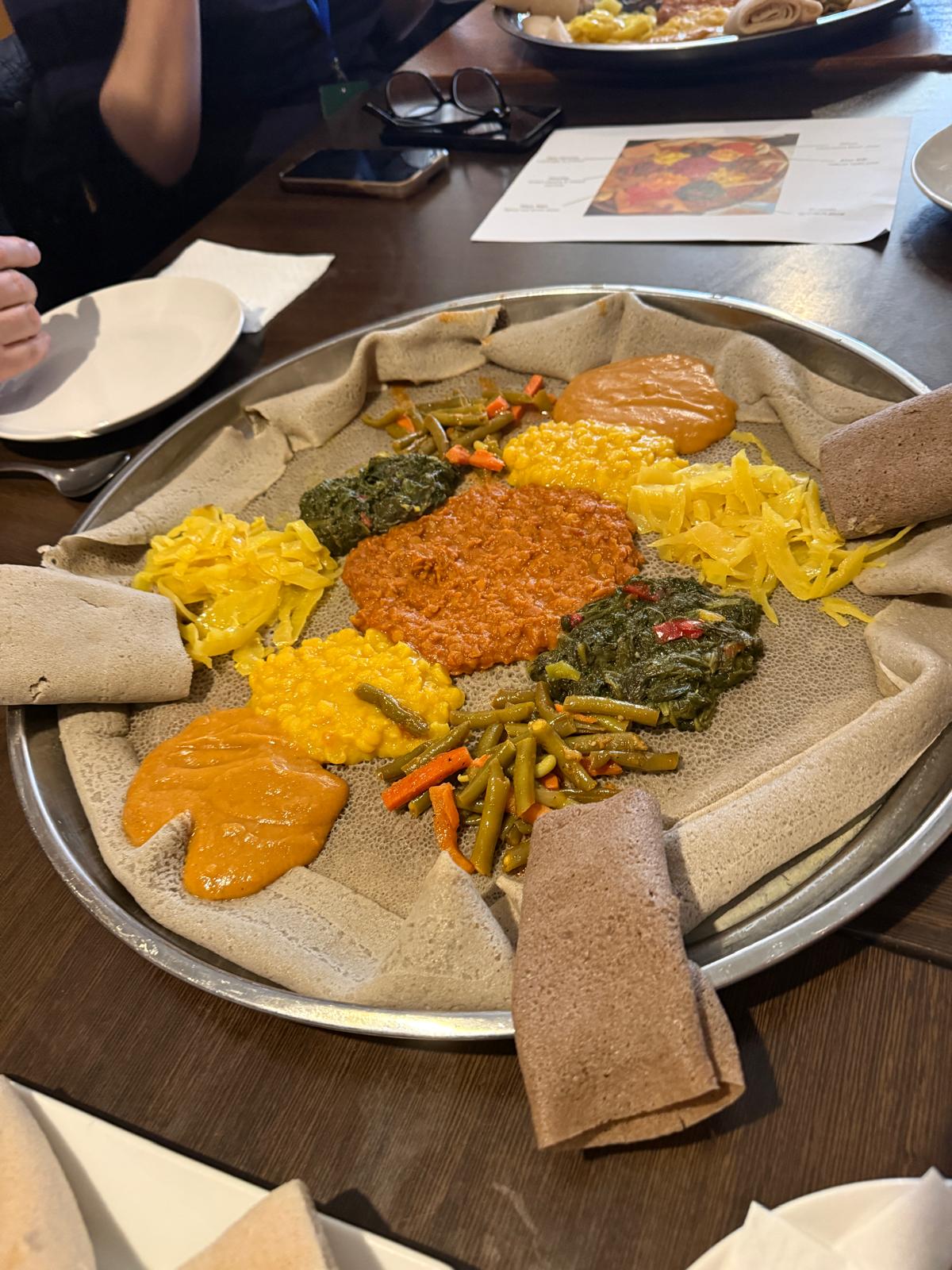
You choose your size. The food arrives: misir wot, ater kik, tikil gomen, shiro and injera, that fermented teff flatbread that works as utensil, plate and bread all at once. One of the best-value meals in East London and a window into Ethiopia’s Orthodox Christian fasting tradition, one of the world’s oldest plant-based food cultures. The health credentials are real, even though Andu makes no particular song and dance about them.
Trend read: High-fibre, fermented and plant-forward foods are growing across UK foodservice. Andu shows what it looks like when these properties emerge from genuine culinary tradition rather than product reformulation.
Acme Fire Cult – @acmefirecult
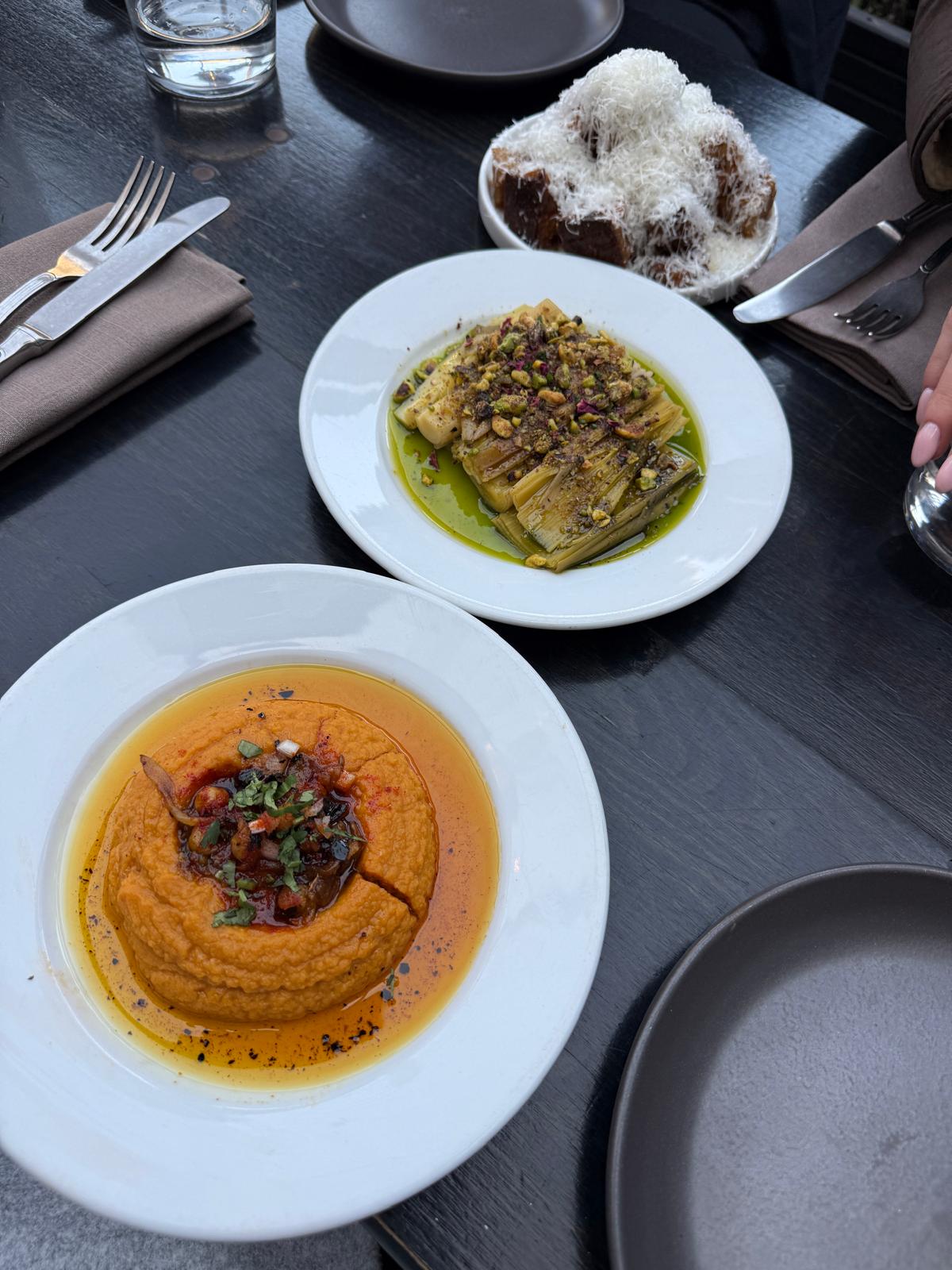
Started in a Hackney car park during lockdown, now permanently housed at 40FT Brewery. Live-fire cooking with vegetables as the stars, a menu that changes with micro-seasonal produce and a kitchen that makes its own Marmite from leftover brewing yeast. Acme is unapologetic about the noise and smoke of the fire. That’s the point.
Trend read: A venue born from constraint and creativity can hold more meaning than one designed from the outset for scale. Origin stories matter.
Dalston Eastern Curve Garden – @dalstongarden
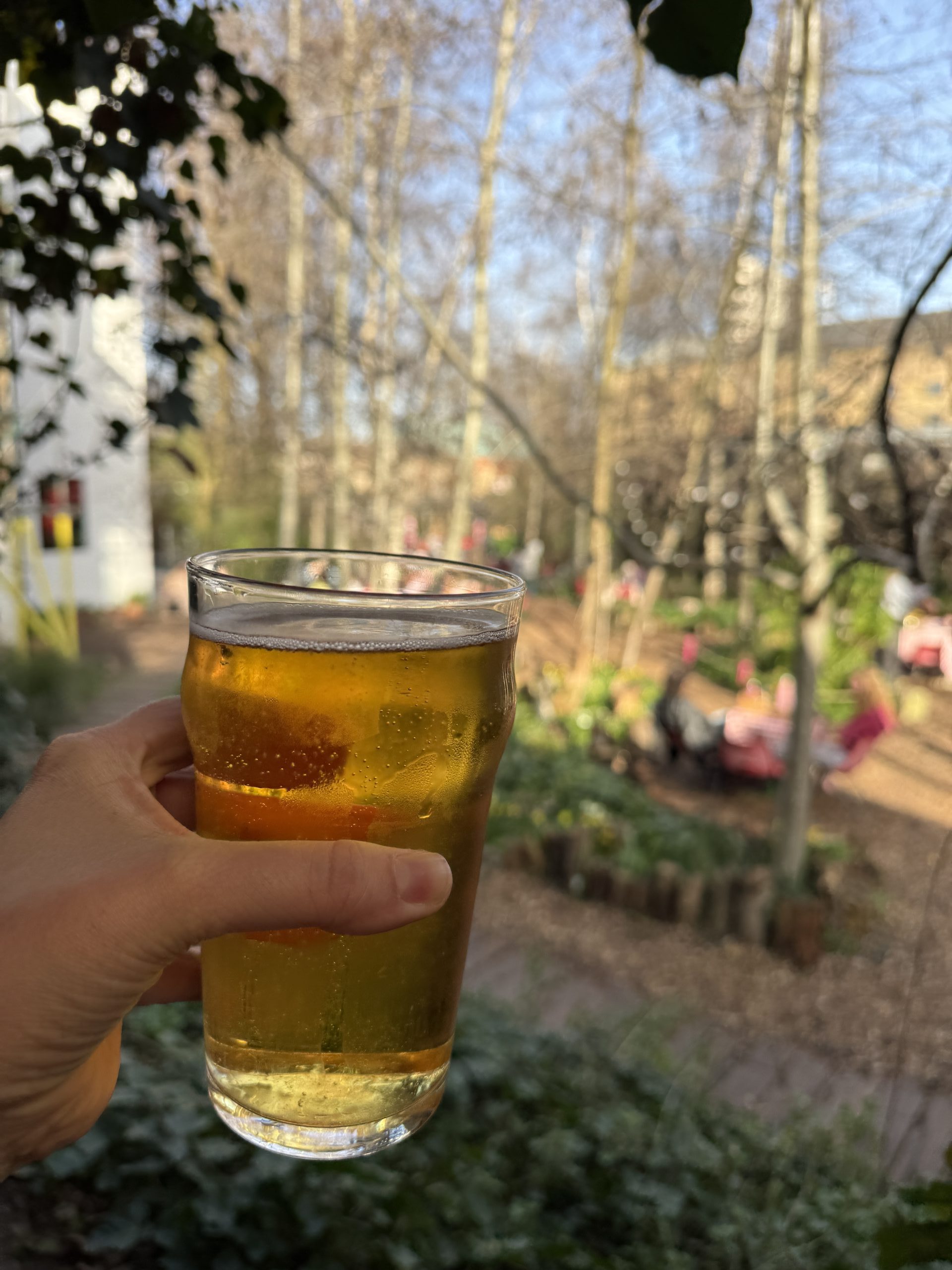
A community garden on a disused stretch of old railway line, run as a social enterprise since 2010. The cafe bar serves local beers, homemade cakes and seasonal soups made from produce grown on site. This isn’t a venue with a community programme bolted on. It’s a community that happens to have a venue.
Trend read: What Dalston Eastern Curve Garden shows is what it looks like when the food offer is genuinely secondary to social purpose. That’s rare, and it’s powerful.
The Laughing Yak – @the_laughing_yak
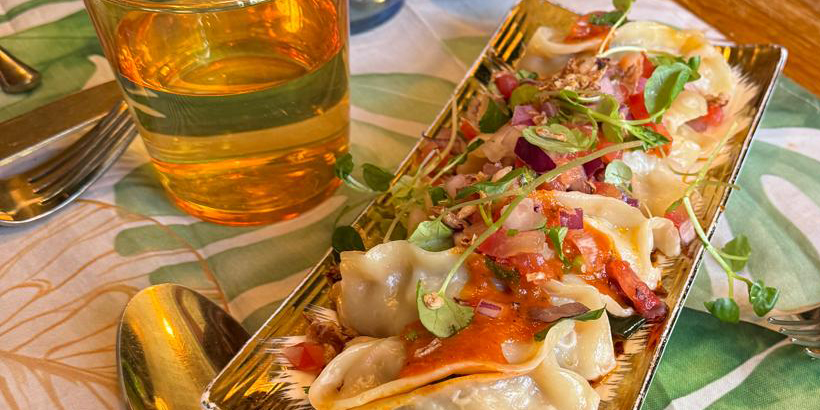
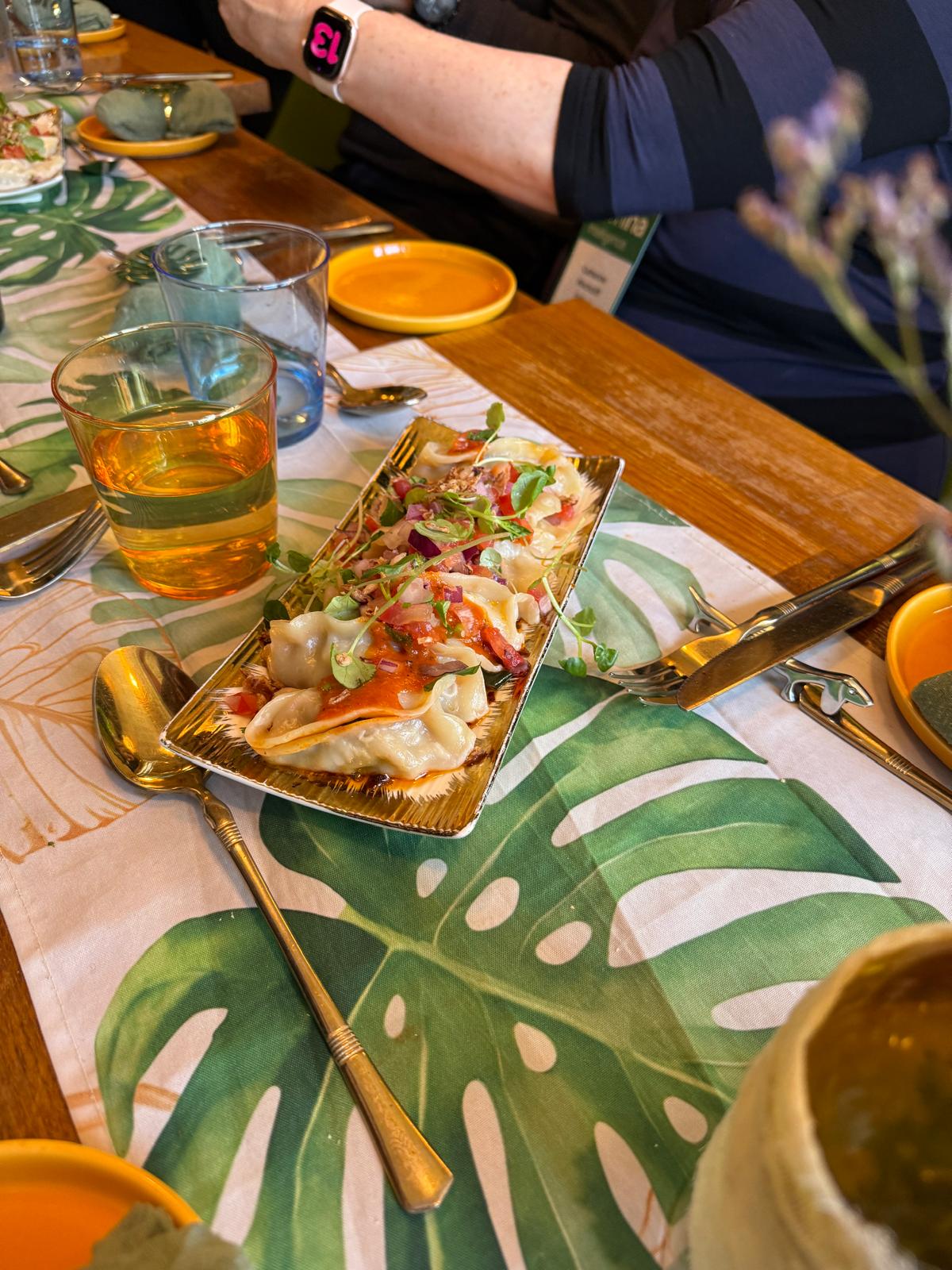
Nepalese cuisine doesn’t yet have the profile it deserves in the UK. The Laughing Yak represents Nepal’s full breadth of regional cooking and we got a proper sense of that range. The momos alone told a story – buffalo meat in one, fermented soya and smoked aubergine in another; both worlds apart in flavour. Then the chatamari, Nepal’s answer to pizza: we tried the jackfruit curry version and the butter chicken version, and it’s the kind of dish that makes you wonder why you’ve not tried it before. The owner explains the story behind each dish; that hospitality is as much part of the offer as the food.
Trend read: Nepalese cuisine is one of the most under-represented global food cultures in the UK. For foodservice operators and manufacturers, this is worth watching.
What Dalston tells us about foodservice in 2026
These aren’t venues chasing trends. They are expressions of something deeper: a community, a culinary tradition, a philosophy about how food should be made and shared. The signals for brands and operators are clear. Specificity over generalisation. Genuine provenance over claimed authenticity. Community over category.
We left full, inspired and already planning our return visits. Want to talk through what these trends mean for your brand? Get in touch at here or call us on 01372 227 950.

- Global Roots, Local Soul: A Food Tour Through Dalston - 21st May 2026
- Arena: The Road to Net Zero - 10th July 2025
- Foodies Guide to Lisbon - 29th January 2025