
AI Shopping Assistants: What Food & Drink Brands Must Do
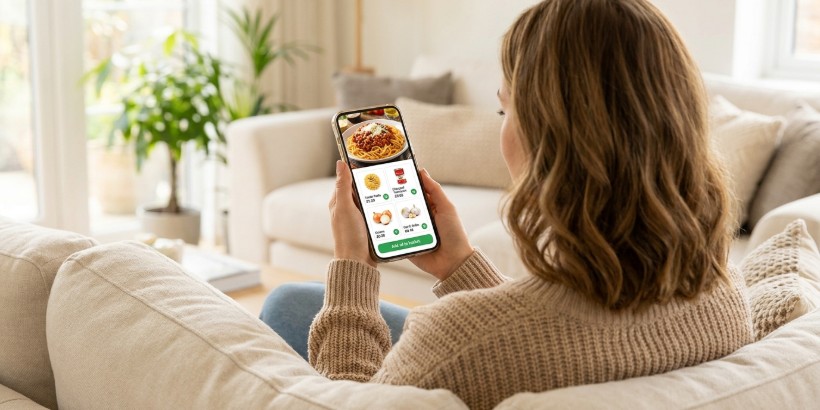
Ask the Tesco app what to cook for dinner and if you’re among the first customers to get its new AI assistant, it won’t just suggest a recipe. It will start filling your basket too. In early October, Tesco started to roll out an AI assistant designed to help customers plan meals, following a trial with around 280,000 employees. Sainsbury’s, meanwhile, launched an AI-powered tool to help customers plan their shop, create lists and find products more easily. For the first time, the UK’s two biggest grocers have AI shopping assistants sitting between the shopper and the shelf.
Most of the commentary so far has a slightly doom-laden tone. The shopper has handed over control, the argument goes, so brands must now market to a robot. We see it a bit differently. AI shopping assistants don’t make shopper marketing obsolete. They move the moment of influence. For brands that genuinely understand their shoppers, that’s an opportunity for AI shopper marketing done well.
What are Tesco and Sainsbury’s new AI shopping assistants?
Both are tools inside the retailers’ apps that turn what a shopper wants into a basket of products. Put simply, you say what you’re after and the app fills your basket. Tesco’s starts with the meal. Once a recipe is chosen, it can help customers build their basket within the app, finding suitable products and using insights such as previous shopping history and preferences. Sainsbury’s SmartLists starts with the list. Customers type or photograph what they need, and the tool matches it to Sainsbury’s products, including Nectar Prices, so shoppers can see their options and budget accordingly.
Neither retailer has published exactly how its AI shopping assistant chooses one product over another. What we do know is that Tesco’s draws on what a customer has bought before. Keep this in mind, we’ll come on to why that matters later.
AI shopping assistants start with the meal, not the brand
Think about how people will actually use these tools. Nobody types “Brand X pasta sauce, 500g”. They ask for a midweek pasta bake, a roast for six or, to borrow an example from coverage of the SmartLists launch, “ingredients for spaghetti bolognese”. The request is a mission, and the assistant works backwards from it to the products.
None of this will surprise anyone who works in shopper marketing. Missions have always shaped the shop, whether it’s the Friday night big shop or the Tuesday top-up. The difference now is that the mission is spelled out by the shopper, and the products that get picked are the ones most clearly linked to it.
So, here’s a question for your next planning meeting. Which meal occasions does your brand genuinely own? If the honest answer is “none in particular”, an AI shopping assistant has little reason to reach for you.
Owning an occasion isn’t something you can build inside an algorithm. It’s built across pack, display, recipe content, social and in-store theatre, which is why integrated shopper marketing matters more than ever. Clean product listings matter too, and my colleague Andy has covered the product data side of AI shopping in detail on his recent blog that is well worth a read.
Do AI shopping assistants make life harder for challenger brands?
Here’s the uncomfortable bit. If an AI shopping assistant leans on purchase history, it’s likely to reward habit. Category leaders already sitting in millions of baskets would get suggested again and again, while a brand the shopper has never bought starts on the back foot. One NielsenIQ insight lead goes further, predicting that retailer AI agents will increasingly build baskets with more private label, as they are after all the retailers’ tool.
You might expect the answer to be “spend more on digital”. For many challengers, we think the smarter move is often the opposite. If the easiest route into an AI-built basket is to already be in a shopper’s history, then the physical moments that win a first purchase become more valuable, not less. In-store sampling. A gondola end with real theatre. A cross-promotion that puts your sauce right next to the pasta. Brand experiences that earn trial. For HFSS products, location and promotion rules will narrow the options, so the focus shifts to in-store demos, recipe content and experiences away from the gondola end. Either way, the store is where new habits start. And thanks to the loyalty card, the assistant never forgets them.
Take a hypothetical challenger tomato pasta sauce. Online, it may never appear when a shopper who always buys the brand leader asks for “pasta night ideas”. But a Saturday tasting in store, a recipe card on shelf and a linked deal with a pasta brand could win that first purchase. From then on, the assistant has a reason to suggest it.
The shopper still presses “add to basket”
Amid all the talk of robots doing the shopping, it’s easy to forget there’s still a person holding the phone. And they’re not ready to let go of control yet. Research found that in the UK, just 30% would be interested in letting a bot take responsibility for their weekly shop, falling to 25% for full outsourcing. Compare that with Croud’s finding that 56% of UK consumers are open to AI buying on their behalf in at least one category, and a picture emerges. Shoppers are happy for AI shopping assistants to help, but with food, most want the final say.
That final say is often emotional, and brands still win it. In the four weeks to 6 September, Worldpanel by Numerator data showed branded goods outpacing own label for only the second time in a year, with sales up 3.7% against 2.9% for own label. Even with budgets stretched, people will choose brands they value. A recognisable pack, clear and credible on-pack claims (something I wrote about recently) and a reason to believe all count when a shopper scans the suggested list and decides what stays. Would your pack still stand out as a thumbnail in that list?
What AI shopping assistants mean for your shopper marketing now
None of this calls for panic, or a big new budget. For most food and drink brands, we’d start here:
- Map your missions. Write down the meal occasions you want to own, then ask the assistants for them yourself and see whether you show up. If you don’t, that’s your brief: work out where you can earn a place in that mission, whether through recipe content, product information, partnerships or in store.
- Describe occasions, not just ingredients. Shoppers ask AI shopping assistants for meals and moments, so give them something to match. Wherever you control product information, from retailer listings to pack copy and recipe content, spell out when and how the product is used: “quick weeknight dinner”, “ready in 15 minutes”, “feeds a family of four”, “great for batch cooking”. An ingredients list tells an assistant what’s in the jar. Occasion language tells it when to suggest it.
- Rebalance challenger budgets towards trial. If AI shopping assistants build baskets from past purchases, a shopper’s first purchase is likely to shape every suggestion that follows. So, shift some spend from awareness to the moments that win that first sale: tastings, sampling, recipe partnerships and introductory offers, where HFSS rules allow.
These AI shopping assistants are still young, and both retailers are likely to keep refining them. Chasing every tweak to the technology is a losing game. The brands that win will be the ones shoppers reach for without thinking, we call this ‘integrated by instinct’ and you can read my colleague Neil’s blog on this topic here, whether they’re scrolling an app or standing in the aisle. Building that instinct has always been the job of shopper marketing. AI just raises the stakes and arguably helps drive customer loyalty, if not discovery. If you’d like to talk through what AI shopping assistants mean for your brand and where to start, our shopper marketing team would love to hear from you. Get in touch today here.

- AI Shopping Assistants: What Food & Drink Brands Must Do - 16th October 2026
- Functional Food Marketing: How to Win at a Crowded Shelf - 13th October 2026
- How GLP-1 Weight-Loss Drugs Are Reshaping Food Marketing - 28th January 2026