
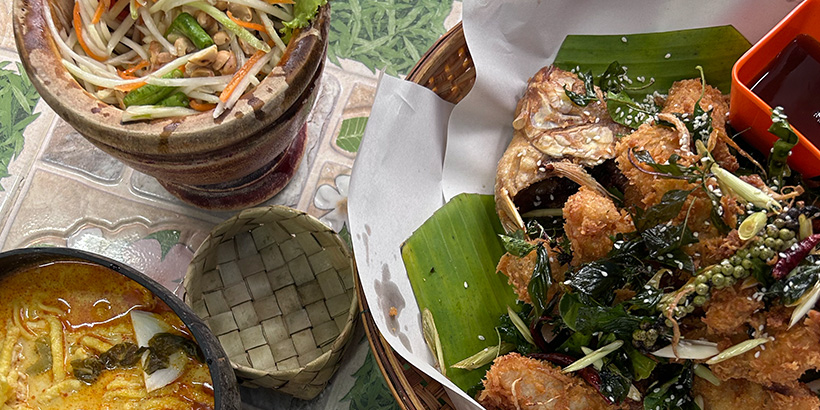
Eating my way through South-East Asia
Whilst backpacking South-East Asia, my biggest interest was the food, obviously. In each new location I tried the local cuisine and found some kind of food activity to get stuck into. Eating and cooking alongside the locals turned out to be the best way to understand a place. From cooking classes in Chiang Mai and Cambodia to a scooter food tour in Ho Chi Minh City, here’s what I ate and what I learnt along the way.
Thailand
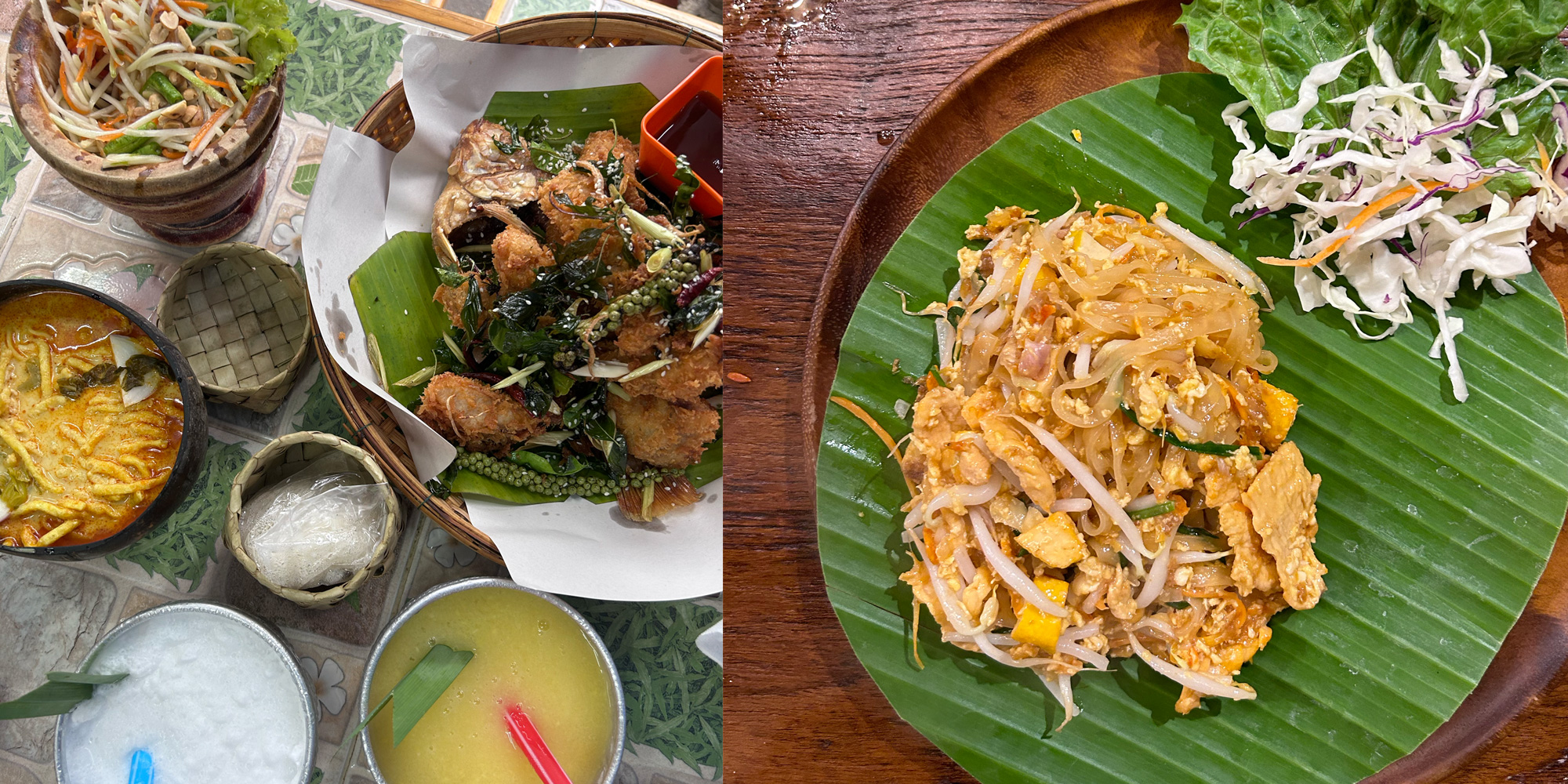
At the beginning of the cooking class in Chiang Mai, we explored the local market and picked up all the ingredients we needed for the dishes we were going to make: lemongrass, bunches of Thai basil and bottles of fish sauce. On the menu for tonight was papaya salad, tom yum soup (hot and sour soup), pad Thai (stir-fried noodles), pla tod (fried fish), Thai green curry and khao soi. Khao soi was my favourite. It’s a northern Thai curry noodle soup made with a coconut milk broth and a combination of soft and crispy egg noodles, with the soft ones in the bowl and the crispy ones piled on top. It’s served with condiments such as shallots, lime and chilli oil.
In Thailand, people eat with a spoon in the right hand and a fork in the left. We were told that it’s considered impolite to finish a meal completely, as it suggests the cook didn’t make enough food. Leaving a small amount shows you enjoyed the meal and are satisfied.
Vietnam
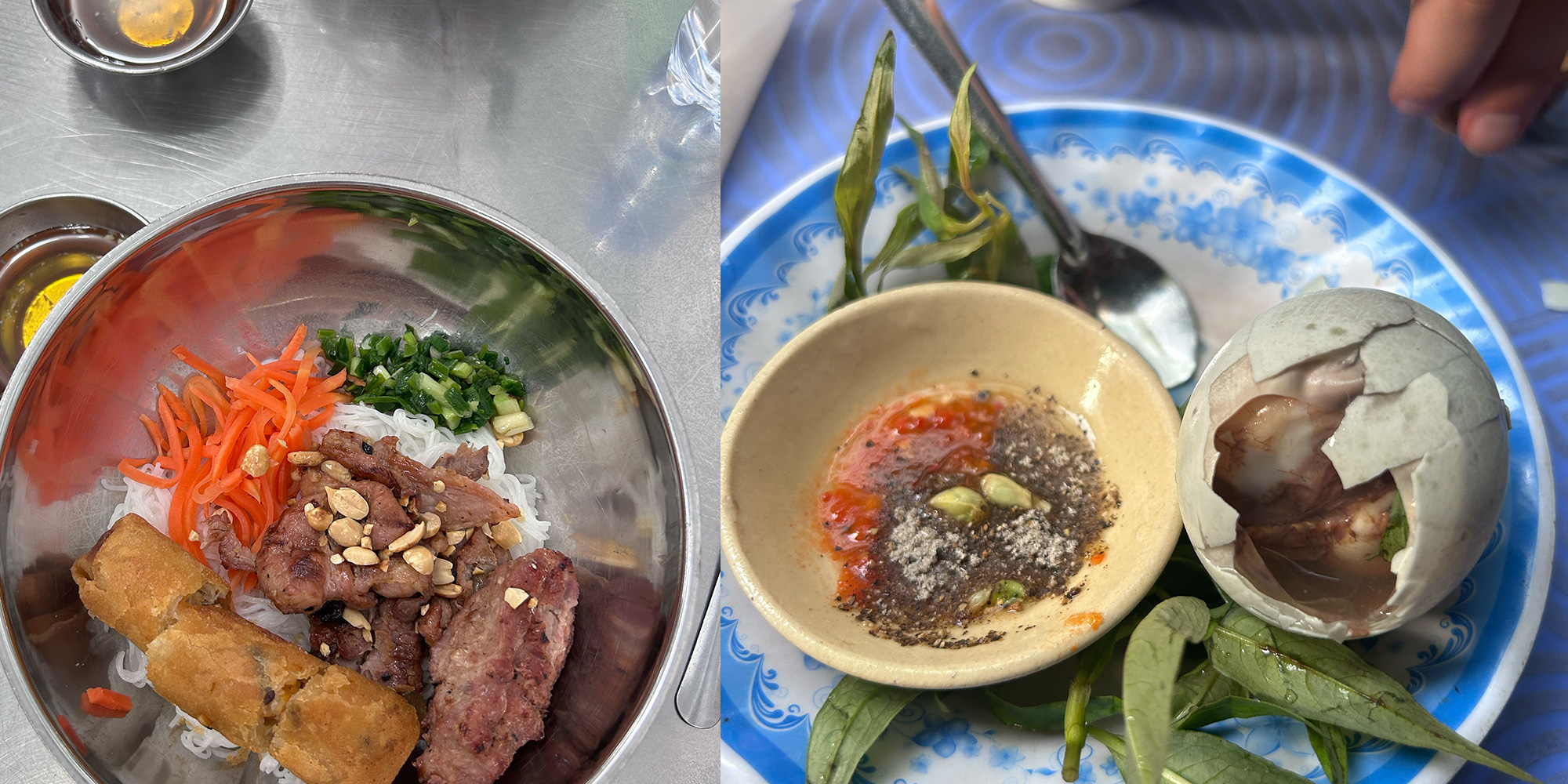
In Vietnam we did things a bit differently. Rather than cooking in a kitchen, we went on a food tour in Ho Chi Minh City, in the south of the country. We hopped on the back of locals’ scooters and they took us deep into the neighbourhoods where they eat every day. The locals explained that eating while walking is considered impolite in Vietnamese culture, so we did as the locals do: we pulled up tiny plastic stools, sat down and enjoyed our food. We also learnt never to leave chopsticks standing upright in a bowl of rice, as it looks like the incense people light for their ancestors.
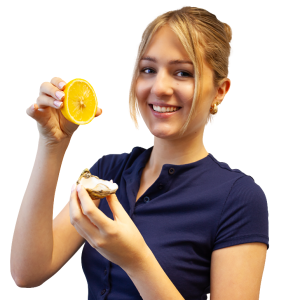
We worked our way through pho (beef noodle soup), banh mi (baguette with meat, vegetables and coriander), bun thit nuong (grilled pork with vermicelli noodles) and the most interesting of all, balut (hột vịt lộn in Vietnamese). I was nervous to try balut, which is a fertilised duck egg with a partially developed embryo inside. For locals it’s an everyday snack, eaten with salt, pepper, lime and fresh herbs. I did enjoy it, but I can understand why it wouldn’t appeal to everyone.
Cambodia
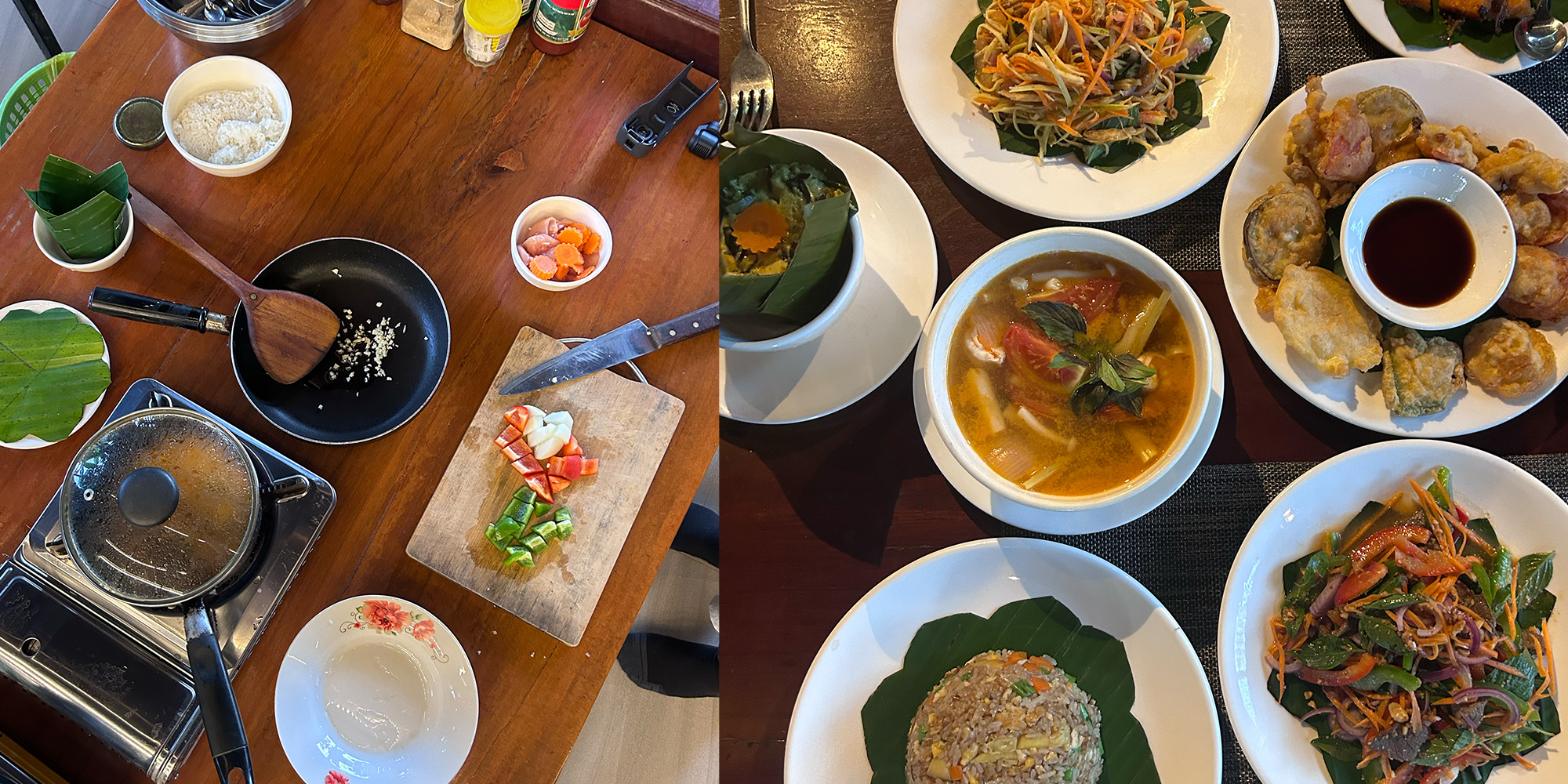
Cambodian food is calmer than its neighbours. Less fiery than Thai, less sharp than Vietnamese, it’s happy to let the flavours build slowly. Our cooking class began at the local morning market. We gathered Cambodian herbs and aromatics including makrut lime leaves, turmeric and galangal, a root that resembles ginger but has a more earthy flavour. On the menu: amok trey (coconut fish curry steamed in banana leaves), green papaya salad, deep-fried vegetables, samlor machu (a sour tomato soup), fried rice, a Khmer herb salad and to finish, borbor lapov (caramelised pumpkin).
The star of the day was the national dish of Cambodia, amok trey. It’s made with white fish, coconut milk, kroeung spice paste, egg, fish sauce, shrimp paste and palm sugar, and it was my favourite dish in Cambodia.
Meals are served family-style, with dishes in the centre of the table for everyone to share. Everyone helps themselves, a communal way of eating that reflects the importance of togetherness. Slurping isn’t considered rude either; it shows you’re enjoying the food.
Looking back, the dishes I remember most weren’t from restaurants with long queues. They were the khao soi I cooked with locals in Thailand, the balut I ate on a plastic stool in Ho Chi Minh City, and the amok trey I scooped from a banana leaf in Cambodia. So skip the queue. Find the plastic stool.
- Eating my way through South-East Asia - 26th November 2026